

Used Gas vs. Electric – Practical Shopping Playbook for Everyday Drives around Chapel Hill, NC
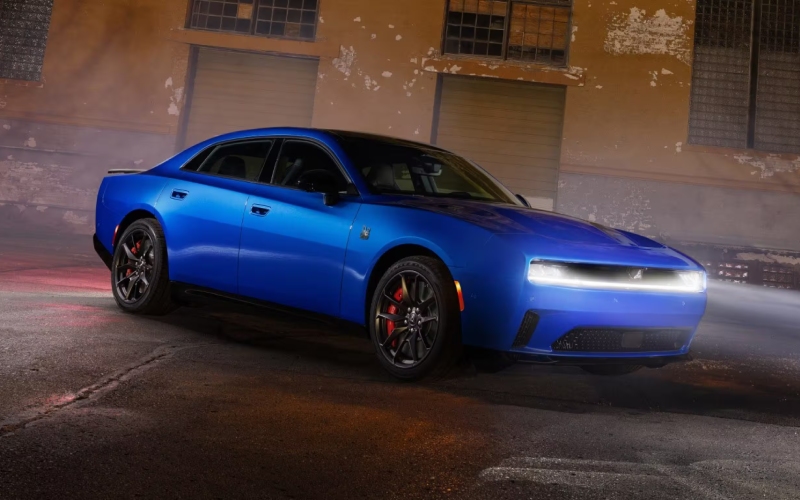
Impex Auto Sales – Used Gas vs. Electric – Practical Shopping Playbook for Everyday Drives around Chapel Hill, NC
Comparing a used gas vehicle to a used electric vehicle feels simpler when you frame the decision around how you actually live and drive in and around Chapel Hill, NC. Think about your daily route on MLK Boulevard and US-15/501, parking at home or in a complex, and weekend trips along I-40 to the Triangle or out to the coast. If you can charge at home, an EV can quietly turn every night into a “full tank” while trimming routine maintenance. If you rely on street parking or take spontaneous long drives, a gas vehicle’s quick refueling can still be the frictionless choice.
Start with your real mileage. Many Chapel Hill commutes run 20-50 miles round-trip, easily within the comfort zone of most used EVs. If you regularly head to Raleigh or Durham for work or games, Level 2 home charging plus occasional public top-offs at shopping centers can keep your schedule smooth. For gas vehicles, dial in the right engine and transmission for your mix of city traffic and highway stretches, and review service history to prevent surprises. We recommend test drives on a split loop—downtown stop-and-go, a hilly neighborhood, and a steady I-40 segment—to see how each candidate behaves where you actually drive.
Cost of ownership you can feel—every week
It’s not just the sticker price. EVs often cut routine service—no oil changes, fewer moving parts—and electricity commonly costs less per mile than gasoline. Gas vehicles may carry lower upfront pricing and eliminate charging logistics, which can matter if you park on the street or have limited electrical capacity at home. Price your typical month, not a hypothetical one: count energy, maintenance, and parking time so you see the real delta for your lifestyle.
- Energy per mile: Electricity can undercut gas on cost-per-mile, especially with overnight home charging.
- Maintenance rhythm: EVs skip oil changes; gas vehicles require periodic fluid and filter service.
- Time logistics: Home charging saves time; gas refueling is faster for unplanned trips.
- Range fit: Right-size EV range to daily needs; go gas if you’re frequently beyond fast-charger corridors.
Public charging around Chapel Hill, Southpoint, and RTP is steadily improving, but always map your weekly touchpoints—work, groceries, youth sports—before you decide. If you’re primarily local, an EV with home Level 2 charging can make mobility nearly invisible. If you coach away games across the state and rely on late-night returns, a gas SUV might better fit the rhythm.
Used EV battery and used gas engine—what to check
For EVs, ask for a recent battery health report, confirm any remaining battery and electric-drive warranties, and test both Level 2 and DC fast charging behaviors if possible. Expect some capacity loss with age; what matters is whether the remaining range serves your life with a buffer. For gas vehicles, scrutinize maintenance records, listen for cold-start noise, verify clean shifts, and look for steady temperature and oil pressure readings. In both cases, tire condition and alignment tell you a lot about prior care.
We also suggest trying climate controls during test drives—EV range can dip in extreme heat or cold, and gas vehicles should hold consistent cabin comfort without unusual smells or noises. On hilly Chapel Hill streets, pay attention to EV regenerative braking settings and gas downshifts to gauge control and confidence.
Insurance, warranty, and resale considerations
Quote insurance using the exact VINs on your shortlist—safety suites, repair costs, and driver profile all influence rates. For EVs, verify transferability of battery warranties; for gas models, look for any remaining powertrain coverage and evidence of completed recalls. Resale trends vary by brand and trim, but clean histories, documented service, and popular equipment packages help on both sides of the gas/EV line.
Test like you live—then buy with a safety net
Build a route that mirrors your week: downtown traffic, a grocery stop with parking, a neighborhood hill, and a highway segment. If possible, test an EV overnight to learn charging convenience at your residence. When you finalize your choice, use a return policy or exchange window if it’s available—having a few days to validate the fit removes pressure and improves outcomes.
Impex Auto Sales offers online tools to research, value your trade, and complete paperwork, plus a customer-first approach that helps you compare gas and electric options with confidence. Our team is dedicated to serving Fayetteville, Durham, and Chapel Hill with straightforward guidance so you can shop efficiently and feel great about your decision.
Frequently Asked Questions:
How much range do I really need for Chapel Hill driving?
Add your longest weekday round-trip, include errands, and add a 20-30 percent buffer. Many drivers find 180-250 miles of EPA range comfortable for local life with occasional Triangle travel.
Can frequent DC fast charging hurt a used EV?
It can accelerate battery wear if used constantly. Aim for home or workplace Level 2 most days and reserve fast charging for trips.
What if I can’t install home charging?
Check for reliable public Level 2 near your routine stops and verify station uptime. If access is limited, a gas vehicle may better suit your lifestyle.
Are used hybrids a good middle ground?
Yes—hybrids reduce fuel use without relying on charging, which can be ideal if you have mixed driving or limited plug-in access.
How do maintenance costs compare over time?
EVs typically save on routine service, while gas vehicles can be less expensive to purchase and quicker to refuel. The best value depends on your mileage, energy prices, and parking setup.
0 comment(s) so far on Used Gas vs. Electric – Practical Shopping Playbook for Everyday Drives around Chapel Hill, NC